May 11, 2026
HMMWV Fleet Support in 2026: Maintenance, Upgrades, and Supply Continuity
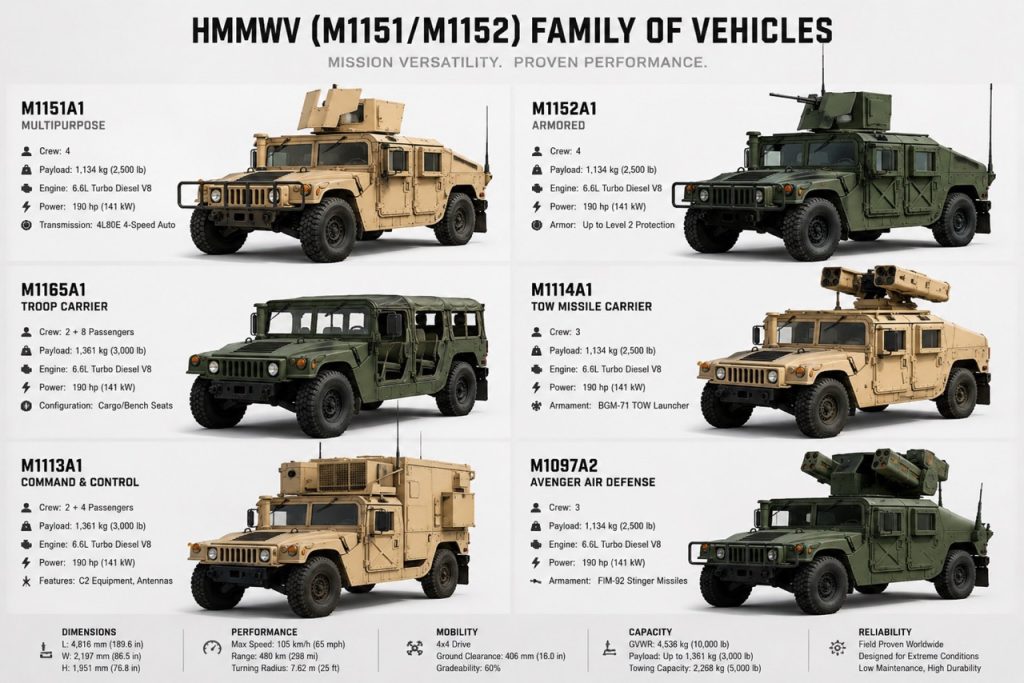
The Light High Mobility Multipurpose Wheeled Vehicle, widely known as the HMMWV or Humvee, entered U.S. Army service in the mid 1980s and was fielded in significant numbers across NATO and partner nations through the 1990s and 2000s. By 2026, the majority of these vehicles have been in active or reserve service for between fifteen and thirty years. Many have completed multiple operational tours in demanding environments, from the deserts of the Middle East to the high altitude terrain of Eastern Europe and the mountainous zones of Central Asia.
What that means in practical terms is this: the platform itself is no longer a procurement question for most operators. It is a sustainment question. And sustainment, unlike procurement, is a discipline that never ends.
HMMWV maintenance, spare parts availability, fleet readiness management, and lifecycle extension programs have become central concerns for defense ministries, fleet managers, and logistics commands across dozens of countries. The vehicle may no longer be new, but it remains indispensable and keeping it mission capable demands a level of logistical sophistication that many organizations are only now beginning to fully appreciate.
This article examines the current state of LHMMWV fleet support as it stands in 2026: the maintenance challenges that compound with age, the supply chain dynamics that complicate parts sourcing, the upgrade pathways that extend operational relevance, and the procurement partnerships that underpin long term readiness.
The Enduring Operational Relevance of the HMMWV Platform
Before addressing the logistics, it is worth establishing why HMMWV fleet readiness continues to matter so significantly in 2026.
The Humvee was designed to serve as a multi role tactical mobility platform capable of functioning as a troop carrier, weapons platform, command vehicle, ambulance, and cargo hauler depending on configuration. That versatility has proven extraordinarily durable. While platforms such as the Joint Light Tactical Vehicle (JLTV) have entered service as partial successors in the U.S. military, JLTV fielding has been a long, expensive, and sequenced process. Many formations, particularly National Guard units, reserve components, and international partner forces, continue to rely on HMMWVs as their primary tactical wheeled vehicle.
Internationally, the picture is even more pronounced. Dozens of NATO member states and allied nations operate HMMWV fleets that were acquired through Foreign Military Sales (FMS), direct commercial sales, or military surplus transfers. For these operators, JLTV or similar next generation platforms may not be on the acquisition horizon for years, if at all. Their operational continuity depends entirely on how well they can sustain what they already have.
At the same time, the HMMWV’s role has evolved. Many vehicles that once served purely as light tactical transport now operate as protected mobility platforms with add on armor kits, integrated communications systems, and weapon station mounts that significantly exceed the original design load specifications. Managing these platform modifications within a coherent sustainment framework is one of the defining challenges of LHMMWV fleet support in 2026.
HMMWV Maintenance Challenges in Aging Fleets
Structural Fatigue and Corrosion
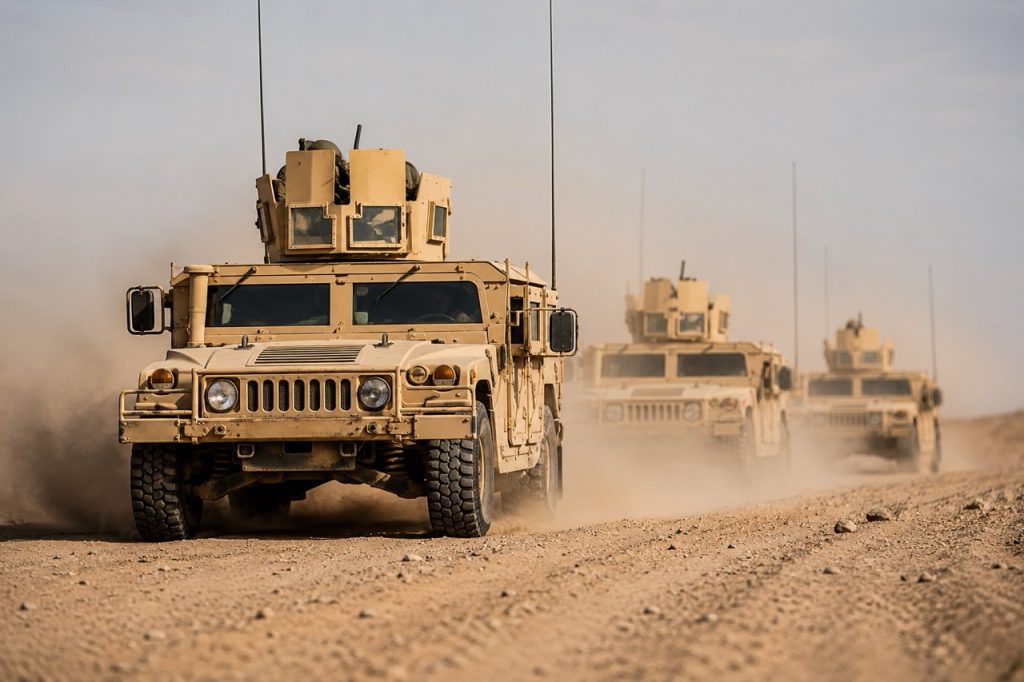
Decades of operational use produce predictable but serious structural challenges. Chassis fatigue, frame rail cracking, and corrosion in body panels and undercarriage components are common findings in fleets that have accumulated high mileage under heavy loads, particularly those that have operated in maritime or high humidity environments. Vehicles that carried armor add on kits for extended periods often show accelerated frame stress at mounting points not originally designed for that structural load.
Addressing these issues requires regular depot level inspections that go well beyond standard preventive maintenance checks and services (PMCS). For fleet managers operating without sufficient depot capacity, the temptation to defer structural inspections is real and dangerous. A cracked frame that passes field inspection but fails under operational stress is not an acceptable outcome.
Powertrain Wear and Parts Obsolescence
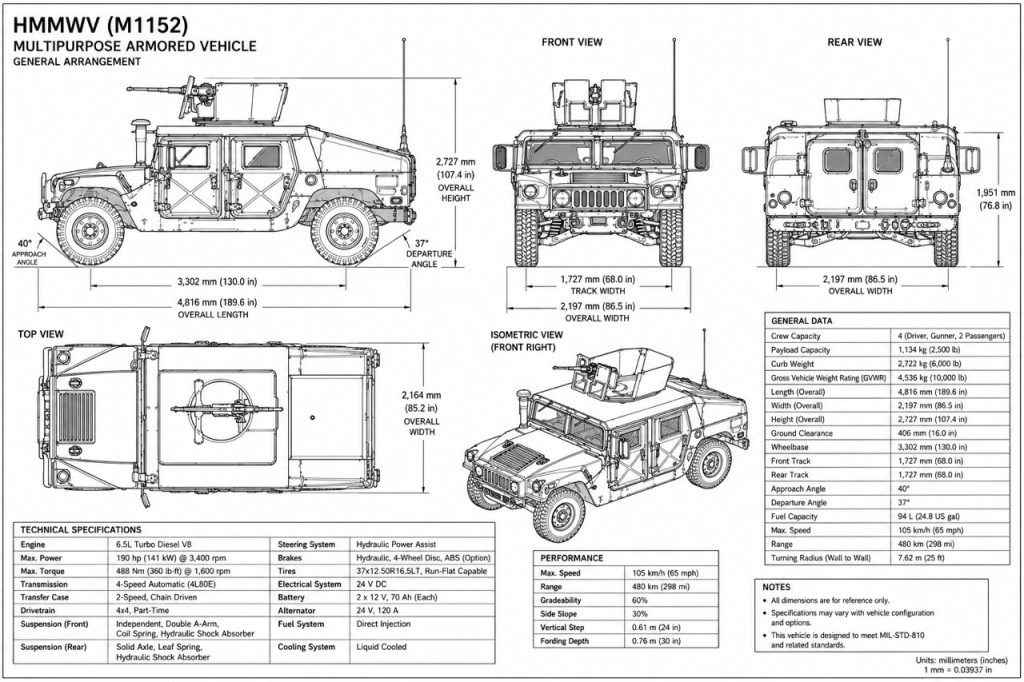
The 6.5 liter diesel V8 engine used in the majority of HMMWV variants has been a reasonably reliable powerplant, but it is now a mature design that relies on components that are increasingly difficult to source through original equipment manufacturer channels. Fuel injection systems, turbocharger assemblies, and engine cooling components represent some of the highest demand and highest attrition line items in active HMMWV fleets.
Transmission failures, particularly in the 3L80 and 4L80E units fitted to different variants, are another recurring maintenance burden. High torque loads from armor added gross vehicle weight ratings that exceed original design parameters accelerate wear in torque converters and clutch packs. Fleet managers who have not adjusted their preventive maintenance intervals to account for modified vehicle weights frequently find themselves with transmission failures occurring well short of expected service intervals.
Electrical and Electronics Systems
The HMMWV’s electrical architecture was designed for a much simpler vehicle than what many examples have become. The baseline 24 volt electrical system was not intended to support the power demands of modern communications suites, electronic warfare systems, remote weapon stations, or battle management terminals, all of which have been integrated into various fleet configurations over time.
Wiring harness degradation, connector corrosion, and inadequate grounding are endemic problems in fleets that have accumulated these modifications without systematic electrical system upgrades. Identifying and repairing intermittent electrical faults in heavily modified vehicles is time consuming and often requires specialized diagnostic capability that exceeds the training of standard vehicle mechanics.
Suspension and Steering Systems
Steering gearboxes, particularly the recirculating ball units in older variants, develop play and leak fluid in aging fleets, creating handling deficiencies that are both a safety concern and a readiness problem. Replacement units and rebuild kits represent consistent demand signals in any well managed HMMWV sustainment program.
Supply Chain Continuity: The Defining Logistics Challenge of 2026
OEM Channel Limitations
AM General, the original manufacturer of the HMMWV, continues to support the platform through its defense services division, and a number of authorized parts suppliers remain active in the market. However, the realities of a platform that is decades into production mean that OEM channel support has contracted. Production runs for many components have ended, minimum order quantities on remaining OEM parts have increased, and lead times for specialty items have extended significantly.
For operators who relied on OEM supply channels as their primary source of spare parts through the 2000s and 2010s, this contraction has created a structural gap that must now be filled by alternative sourcing strategies.
The Role of Qualified Aftermarket Supply
Military aftermarket support has matured considerably over the past decade, and for the HMMWV platform specifically, there exists a well developed ecosystem of aftermarket and surplus condition components that meet the quality standards required for military application. The key distinction, and this cannot be overstated, is between qualified, inspected aftermarket components from reputable defense supply specialists and unverified surplus parts of uncertain provenance.
AB Defence and comparable defense logistics specialists operate in the qualified segment of this market by sourcing components to military specification, conducting incoming inspection, maintaining traceability documentation, and providing the logistical support infrastructure that defense clients require. This is meaningfully different from commercial vehicle parts procurement, and defense fleet managers who treat it as equivalent do so at operational risk.
Obsolescence Management as a Strategic Discipline
Obsolescence management, the systematic identification and mitigation of parts that are approaching end of supply, has become a strategic level concern for HMMWV fleet operators in 2026. Components that were readily available through standard logistics channels five years ago are now intermittently available or fully discontinued. Fleet managers who have not developed forward looking obsolescence management programs are regularly finding themselves unable to source critical parts on operationally relevant timelines.
Effective obsolescence management requires close collaboration between fleet operators, maintenance organizations, and qualified supply chain partners. It involves identifying high risk part numbers, establishing safety stock levels for critical components, and developing approved alternate source pathways before those pathways become urgently needed. This kind of anticipatory logistics discipline is the difference between a fleet that maintains acceptable mission capable rates and one that experiences chronic readiness deficits.
Defense Supply Chain Resilience in 2026
The disruptions to global supply chains that began during the COVID 19 pandemic exposed fragilities in defense logistics infrastructure that have since prompted significant policy responses at both national and alliance levels. For legacy platform support, the practical implications are threefold.
First, single source supply dependency is now recognized as an unacceptable risk. Qualified alternate sources for critical components are not a contingency. They are a requirement. Second, inventory positioning has gained renewed emphasis. Pre positioned stocks of high demand, long lead time components reduce operational vulnerability to supply disruptions. Third, the value of experienced defense logistics partners with established supply networks has increased substantially. In a more complex and contested supply environment, procurement relationships matter more than they did when supply was simply a matter of submitting a requisition.
Preventive vs. Reactive Maintenance: A Readiness Equation
One of the most consistent findings in mature military fleet sustainment programs is the lifecycle cost differential between preventive and reactive maintenance strategies. This is not a new insight. It is a well established principle of military vehicle maintenance, but aging fleets bring it into particularly sharp relief.
A vehicle that receives consistent preventive maintenance, with fluid changes, filter replacements, and inspections conducted on schedule and documented accurately, will consistently outperform, in both mission capable rates and lifecycle costs, a vehicle maintained reactively. The reason is mechanically straightforward: small problems identified early are resolved with inexpensive components and minimal labor. The same problems identified after failure often require major assembly replacement, extended downtime, and potentially cascading secondary damage.
For HMMWV fleets specifically, preventive maintenance discipline around fuel system components, cooling system condition, drivetrain lubrication, and suspension wear items produces measurable returns in fleet availability. Conversely, fleets that defer preventive maintenance due to parts shortages, personnel constraints, or operational tempo pressures accumulate a maintenance backlog that tends to manifest suddenly and painfully, often at the worst operationally possible moment.
The implication for supply chain management is direct: reliable access to consumable maintenance items such as filters, fluids, gaskets, belts, hoses, and fasteners is not a secondary concern. It is the foundation of fleet readiness. Organizations that invest in assured supply of these unglamorous but critical items consistently achieve better readiness outcomes than those focused exclusively on major component availability.
HMMWV Upgrade and Modernization Pathways
Structural and Armor Upgrades
The survivability profile of baseline HMMWV variants has long been recognized as a limitation relative to contemporary threat environments. A range of add on armor solutions, including the Frag Kit 5 and related systems developed during U.S. operations in Iraq and Afghanistan, have been widely fielded, but many of these kits are now aging alongside the vehicles they protect. Structural mounting integrity for armor kits requires regular inspection, and damaged or corroded armor panels should be replaced rather than retained in service.
For operators considering comprehensive survivability upgrades, options range from commercial off the shelf add on protection packages to purpose engineered B kit armor systems designed for specific variant configurations. The weight management implications of any armor upgrade are substantial and must be carefully evaluated against drivetrain, suspension, and braking system capacity.
Powertrain Modernization
Several third party and commercial upgrade pathways exist for HMMWV powertrain modernization. Engine replacement programs substituting more modern diesel powerplants have been explored by various operators seeking improved fuel efficiency, reliability, and parts commonality with contemporary logistics chains. Transmission upgrade programs integrating more modern automatic units with improved torque capacity address one of the more persistent reliability limitations of high mileage fleets.
These programs require careful engineering validation to ensure compatibility with vehicle electrical systems, drivetrain components, and structural mounting points. They also carry regulatory and configuration management implications that vary by operator and national procurement rules. When properly executed, however, powertrain modernization can extend the effective operational life of a HMMWV fleet by a decade or more at a fraction of platform replacement cost.
Communications and Electronics Integration
Modern tactical operations demand communications and situational awareness capabilities that the original HMMWV electrical architecture was not designed to support. Vehicle power management systems, antenna mounting solutions, cable management infrastructure, and suppression components for electronic noise management are all elements of a coherent communications modernization program.
For international operators, the specific communications requirements are shaped by national and alliance standards. NATO interoperability requirements have driven standardization of many vehicle mounted communications integration approaches among alliance members. Defense electronics specialists and vehicle integration contractors with experience in NATO standard installations represent a critical resource for operators navigating these requirements.
NATO and International Operator Sustainment Considerations
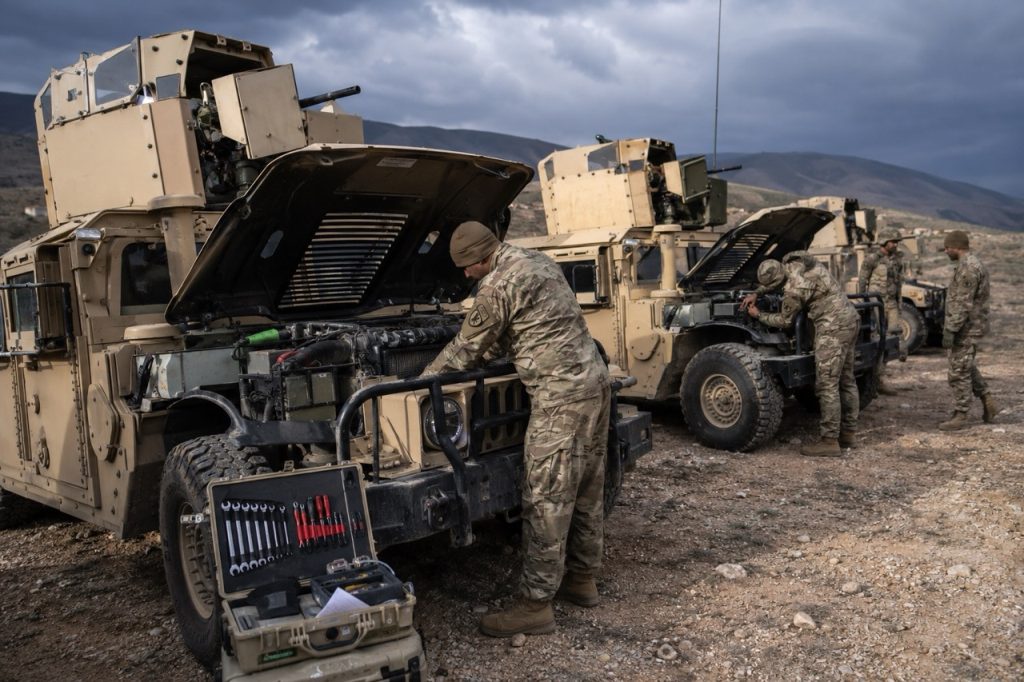
The HMMWV fleet footprint extends across a remarkably wide geographic and organizational range. NATO members in Central and Eastern Europe, Middle Eastern partner nations, and Asia Pacific allied forces all operate HMMWV variants in meaningful numbers. For these operators, sustainment presents specific challenges that differ from the U.S. domestic experience.
Supply chain geography matters enormously. A spare part with a two week delivery time to a continental U.S. depot may require eight weeks or more to reach an operator in a remote ally nation, factoring in export licensing, customs processing, and last mile delivery infrastructure. Organizations that have not internalized this timeline reality into their inventory management practices will experience readiness shortfalls as a matter of course.
Export control compliance adds another layer of complexity. Many HMMWV components and, particularly, electronics and protection systems are subject to International Traffic in Arms Regulations (ITAR) or equivalent national export control regimes. Working with defense supply specialists who are fully conversant in export compliance requirements and who maintain the necessary licenses and documentation infrastructure is essential for international operators seeking reliable parts access.
Language and technical documentation requirements present further challenges. Operators whose maintenance personnel are not working in English require translated technical manuals, parts identification support, and in some cases on site technical assistance to execute complex maintenance tasks accurately. A defense logistics partner with genuinely international support capability, not simply international shipping, provides meaningfully better support outcomes in these contexts.
Lifecycle Cost Efficiency and Fleet Management Economics
The economic case for sustained investment in legacy fleet maintenance is often more compelling than fleet managers initially recognize. The lifecycle cost of a HMMWV that is properly maintained, selectively upgraded, and kept in service for a further ten years is substantially lower than the acquisition cost of a replacement platform, even when the replacement platform is itself a relatively economical tactical vehicle.
This calculation is complicated by the labor costs of maintenance in high personnel cost environments, the challenge of maintaining skilled workforce continuity for older platforms, and the opportunity cost of operational constraints imposed by legacy vehicle limitations. These factors are real and must be honestly weighed. But for most operators, particularly those in budget constrained environments or those for whom next generation platform acquisition is not available in the near term, lifecycle extension through quality sustainment remains the operationally and economically rational choice.
Fleet availability, the percentage of vehicles in a fleet that are operationally serviceable at any given time, is the metric that most directly captures sustainment effectiveness. Mission capable rates in the 80 to 90 percent range are achievable in well managed HMMWV fleets with adequate parts supply and disciplined maintenance programs. Rates below 70 percent typically indicate systemic sustainment failures in parts availability, maintenance execution, or both that require deliberate programmatic intervention rather than incremental adjustment.
The Importance of Reliable Procurement Partners in Defense Logistics
Perhaps the most underappreciated variable in military vehicle sustainment is the quality of the procurement partnership underpinning the supply chain. Fleet managers and logistics officers who treat spare parts procurement as a commodity transaction, awarding to the lowest bidder regardless of capability, consistently report higher than expected quality escapes, parts misidentification, delivery failures, and documentation deficiencies.
A qualified defense logistics partner brings several capabilities that generic suppliers cannot match: deep technical knowledge of the specific platform, established relationships with quality verified parts sources, ITAR compliance infrastructure, incoming inspection capability, and the organizational depth to solve complex sourcing problems when standard channels fail. These capabilities have real operational value, even though they are difficult to capture in a unit price comparison.
For LHMMWV fleet support specifically, the difference between a logistics partner who understands military sustainment requirements and one who does not is measurable in fleet availability rates, maintenance cycle times, and ultimately operational readiness. AB Defence’s specialization in military vehicle spare parts, sustainment support, and defense procurement reflects a recognition that this expertise is what defense clients genuinely need, not simply a transactional supplier relationship.
Long Term Fleet Support Strategy: Planning for the Next Decade
Fleet managers responsible for HMMWV sustainment in 2026 should be operating with a minimum ten year planning horizon. The decisions made now about inventory positioning, obsolescence mitigation, upgrade investment, and procurement partnerships will shape fleet readiness through the mid 2030s.
Several strategic priorities should anchor that planning. First, comprehensive fleet condition assessments, honest evaluations of structural condition, powertrain hours remaining, electrical system state, and armor integrity across the entire fleet, provide the baseline data necessary for rational resource allocation. Without accurate condition data, maintenance resource allocation is guesswork.
Second, parts inventory rationalization, identifying the twenty percent of part numbers that account for eighty percent of maintenance demand and ensuring reliable supply of those items, delivers more readiness impact per budget dollar than any other single initiative. This is especially true for high demand consumables and wearing items where supply interruptions directly translate to vehicle downtime.
Third, maintenance workforce capability development ensures that the technical skills required to sustain the platform are available within the maintenance organization. As the HMMWV ages and becomes less familiar to younger mechanics trained on newer platforms, deliberate investment in technical training and institutional knowledge retention becomes a readiness critical requirement.
Finally, establishing and maintaining qualified supply chain partnerships before those partnerships are urgently needed creates the logistical resilience that separates organizations capable of sustaining operational tempo from those that cannot.
Conclusion: Sustainment as Operational Strategy
The HMMWV will not be replaced quickly or uniformly. For the majority of the operators who depend on it in 2026, the platform will remain central to tactical mobility for years, and in many cases decades, to come. The question is not whether to sustain it. The question is how well.
Fleet sustainment is not a secondary concern to be addressed after operational and procurement priorities are satisfied. It is itself an operational discipline, one that determines whether forces are ready when required, whether equipment is available when needed, and whether the investment made in acquiring these platforms continues to deliver operational value through its full service life.
Organizations that approach LHMMWV fleet support with the same rigor, planning, and professionalism they apply to operational planning will achieve consistently better readiness outcomes. Those that treat sustainment as an afterthought, or that fail to build the supply chain relationships and inventory strategies required by the realities of 2026, will find that aging fleets do not sustain themselves.
AB Defence’s mission is to be the logistics partner that makes the difference by providing qualified spare parts, responsive procurement support, and the technical depth that HMMWV fleet operators need to keep their vehicles mission capable, their readiness rates high, and their operational continuity assured regardless of what the OEM supply chain or the global logistics environment throws at them next.
Related Military Spare Parts Categories, Vehicle Platforms & Technical Guides
Explore AB Defence’s NATO-codified (NSN) and genuine OEM spare parts catalog, platform technical specifications, and sustainment engineering guides related to this article:
Stocked Spare Parts Categories (NSN & OEM Catalog)
- HMMWV (Humvee / Hummer M998) Spare Parts (203 stocked parts)
- Electrical, Electronic & Vision Systems for Military Vehicles (250 stocked parts)
- Military Brake Calipers, Master Cylinders & Hydraulic Systems (103 stocked parts)
- Military Portal Axles, Differentials & Drive Shafts (107 stocked parts)
- Military Engine Cooling Systems, Radiators & Water Pumps (57 stocked parts)
- Full NATO NSN & OEM Spare Parts Catalog (16,760+ Parts)
Compatible Vehicle Platforms & System Hubs
- HMMWV M998
- Tactical Wheeled Vehicles
- Electrical, Electronic & Vision Systems
- Brake & Suspension Systems
- Engine & Powertrain Systems
- Request a B2B Quotation (RFQ) & Technical Support