March 31, 2026
Why Legacy Military Vehicles Still Matter in Modern Defense Operations
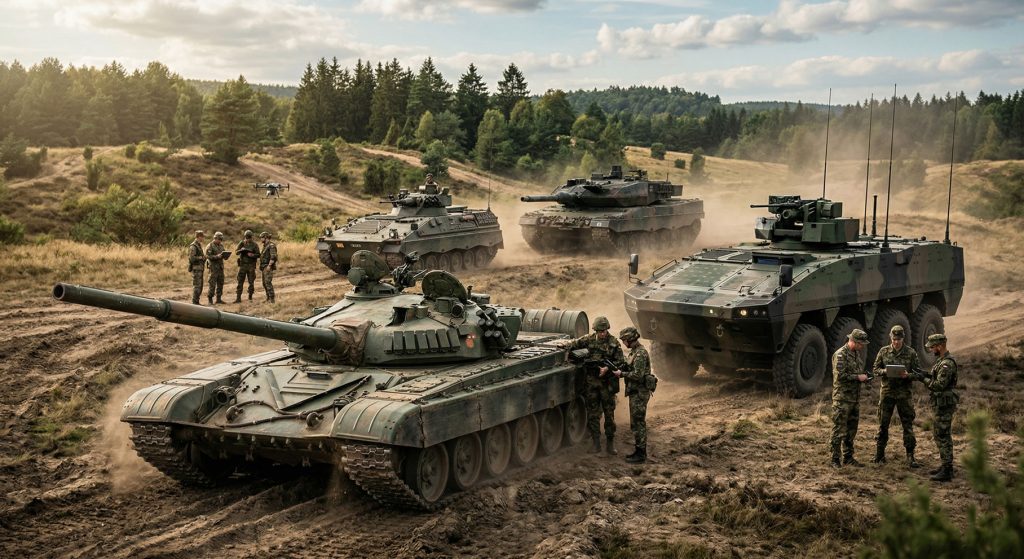
Despite decades of procurement cycles introducing next-generation platforms, a significant share of the world’s active military ground fleets consists of vehicles designed in the 1960s, 1970s, and 1980s. The M60 Patton series, Leopard 1, M113 armored personnel carrier, and a range of MAN and Mercedes-Benz military trucks remain in operational service across NATO allies, Middle Eastern armed forces, and armed forces throughout Asia and Africa.
These are not museum exhibits. They are deployed assets that require active maintenance, scheduled overhaul, and a reliable supply of spare parts to remain mission-capable. For defense ministries operating under constrained budgets, the decision to retain and sustain legacy platforms is not a failure of modernization — it is a rational, often strategically sound choice.
The question is rarely whether to replace a legacy platform — it is whether the replacement can be afforded, delivered, and integrated before the legacy system reaches the end of its serviceable life.
The Scale of Legacy Fleet Dependency
The breadth of legacy platforms in active global service is frequently underappreciated by those outside procurement and logistics roles. According to data from the International Institute for Strategic Studies (IISS) Military Balance, a substantial proportion of ground force equipment inventories across developing and middle-income defense markets consists of platforms that entered service before 1990.
This dependency is not a transitional phase pending replacement. In many cases, it reflects a deliberate, long-term force posture decision. Legacy platforms offer well-understood maintenance profiles, trained operator pools, and established logistics chains — advantages that new platform introductions cannot replicate immediately, regardless of capability improvements.
The result is a global market for legacy military vehicle sustainment that remains structurally significant, driven not by inertia but by operational and economic reality.
Economic and Strategic Rationale
Modern main battle tanks and armored fighting vehicles carry unit costs that can exceed $10 million USD. A full fleet replacement program for a medium-sized army represents a capital commitment of several billion dollars — a figure that competes directly with personnel, training, ammunition, and operational readiness budgets.
By contrast, a well-executed fleet sustainment program — combining scheduled maintenance, targeted part replacement, and selective upgrades such as fire control modernization or armor enhancement — can extend the operational life of a legacy platform by 10 to 20 years at a fraction of the replacement cost. For nations with large vehicle inventories and limited defense budgets, this calculation is straightforward.
There are also strategic factors beyond cost. Replacement programs carry significant schedule risk: procurement cycles for major platforms routinely extend 5 to 10 years beyond initial timelines. During that period, the legacy fleet must remain operational. Sustainment is not an alternative to replacement — it is a precondition for managing the transition responsibly.
Key Legacy Platforms Still in Active Service
The following vehicle categories represent some of the most operationally significant legacy platforms in current global service:
Main Battle Tanks — M60, Leopard 1, T-55/T-62
Still operated by over 30 countries combined, these platforms represent a persistent parts supply requirement across multiple continents. Many have undergone fire control or engine upgrades but retain original hull and drivetrain components, creating sustained demand for original spare parts and compatible aftermarket alternatives. The M60 series alone remains in active service with the armed forces of Turkey, Egypt, Jordan, Saudi Arabia, Greece, and several other operators.
Armored Personnel Carriers — M113, ACV-300/350, BTR-60/70
The M113 has served in over 50 countries since its introduction in 1960. Its aluminum hull, Detroit Diesel engines, and proven suspension make it a persistent logistics and parts supply challenge for armed forces that lack original manufacturer support. The ACV-300 and ACV-350 variants, produced in Turkey for multiple export customers, represent a related sustainment requirement with growing international scope.
Military Logistics Trucks — MAN F-Series, Unimog Variants, Mercedes-Benz 1017A
Tactical and logistical transport workhorses across dozens of NATO and partner armies, these vehicles routinely exceed 30 years in service, supported by a global aftermarket parts ecosystem. Engine overhaul kits, axle components, transmission assemblies, and suspension parts represent high-volume procurement categories. The MAN 26.281, 26.372, and 33.372 models, along with Unimog variants from the U 1300L through the U 2450L, are particularly widespread across former Warsaw Pact and NATO-aligned armed forces.
Self-Propelled Artillery — M107, M109, M110
155mm and 203mm artillery systems still operated across multiple theatres. The M109 series remains one of the most widely operated self-propelled howitzers in the world, with an extensive supply chain requirement for both automotive and ordnance-adjacent components. Operators in the Middle East, Southeast Asia, and Europe continue to require regular maintenance support for these platforms.
Recovery and Engineer Vehicles — M88 HERCULES, ARV Variants
Armored recovery vehicles based on legacy chassis present their own sustainment challenges. The M88 HERCULES, in particular, operates alongside M60 and Leopard fleets as a paired recovery asset. Parts interchangeability across tank and ARV fleets creates complex procurement requirements for ministries managing mixed inventories.
The Spare Parts Supply Challenge
One of the most operationally significant challenges associated with legacy fleet management is parts availability. Original equipment manufacturers (OEMs) frequently discontinue production of components for platforms that have exited primary production, often within 15 to 20 years of the vehicle’s last delivery date. For armed forces operating platforms decades beyond that window, this creates a complex sourcing landscape.
Procurement officers responsible for legacy fleet sustainment typically navigate three overlapping sourcing categories:
OEM Surplus and New Old Stock (NOS)
Original manufacturer surplus and new old stock offer verified dimensional compatibility and original material specifications. These are increasingly scarce for the oldest platforms, requiring suppliers with extensive global networks and the ability to identify legitimate NOS inventory across multiple markets. Documentation traceability is generally strongest in this category.
Aftermarket and Compatible Parts
Manufactured to OEM specification by qualified third-party producers, aftermarket parts represent the primary sourcing channel for many legacy components. Quality varies significantly across suppliers and regions. Before procurement, it is critical to verify dimensional compliance, material specifications, and the producing factory’s quality management system certifications. Defense-qualified aftermarket production meets the same functional requirements as OEM components at competitive price points.
Refurbished and Reconditioned Assemblies
Overhauled assemblies — engines, transmissions, differentials, transfer cases — returned to serviceable condition through certified overhaul processes represent a cost-effective option for major components with high unit values. Refurbishment programs are particularly relevant for powertrain assemblies, where new OEM alternatives are either unavailable or prohibitively expensive for budget-constrained operators.
National Stock Numbers (NSNs) serve as the foundational reference system for NATO and allied forces, providing a standardized identification framework across national procurement systems. An experienced defense spare parts supplier must be capable of sourcing across all NSN-referenced components, with traceability documentation suitable for defense procurement compliance requirements including end-use certificates and certificates of conformance.
Modernization vs. Full Replacement
Many defense ministries pursue a middle path between full fleet sustainment and complete replacement: selective modernization. This approach targets specific capability gaps — outdated fire control systems, analog communications, insufficient protection levels — while retaining the platform’s core structure, drivetrain, and logistical footprint.
Several well-documented programs illustrate this approach:
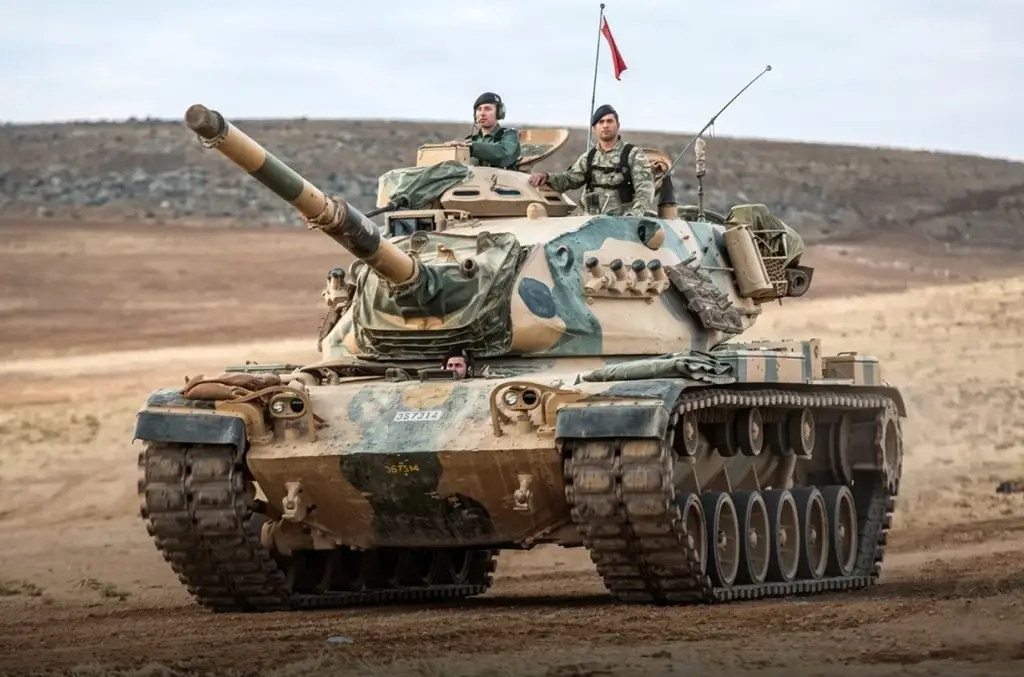
M60T Sabra — Turkey
Turkish M60 tanks were upgraded with Israeli-developed fire control systems, thermal imaging, and composite armor packages, extending the platform’s front-line combat relevance by 15 or more years at a fraction of the cost of new main battle tank procurement. The program demonstrated that legacy platforms with sound structural integrity can absorb significant capability improvements without full replacement.
M113 Modernization — Multiple NATO Operators
Numerous NATO armies have fitted appliqué armor, updated troop protection, and modern communication suites to M113 hulls, maintaining relevance in rear-area and support roles. Engine replacement programs — substituting the original Detroit Diesel 6V53 with more modern alternatives — have extended mechanical serviceable life in several fleets.
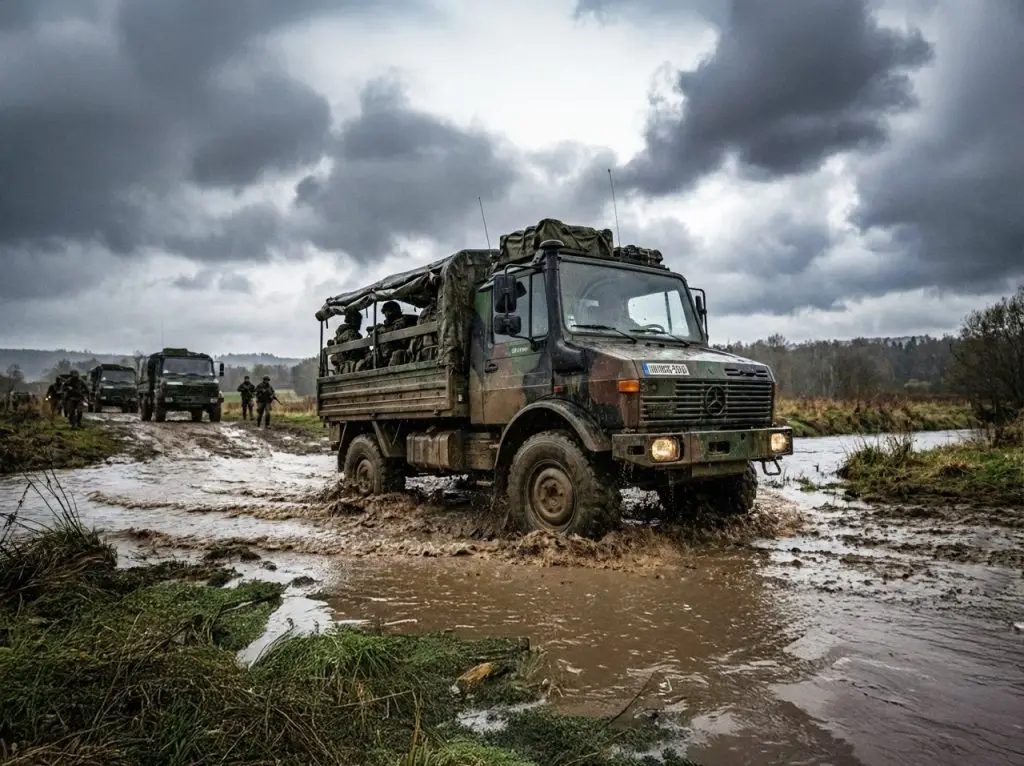
Unimog Re-Engine Programs
Several military operators have replaced original powerplants in Unimog variants with modern diesel units compliant with current emissions and performance standards, extending service life without replacing the vehicle. These programs preserve the Unimog’s exceptional mobility and cross-country performance characteristics while addressing the primary source of mechanical obsolescence.
In each case, the underlying platform’s mechanical reliability and operator familiarity represent an asset, not a liability. Sustainment-oriented procurement — including reliable access to both original and compatible spare parts — is what enables these modernization programs to deliver value.
Procurement Best Practices for Legacy Fleet Support
For defense procurement officers and fleet managers responsible for legacy platform sustainment, the following principles consistently support cost-effective, operationally sound parts supply:
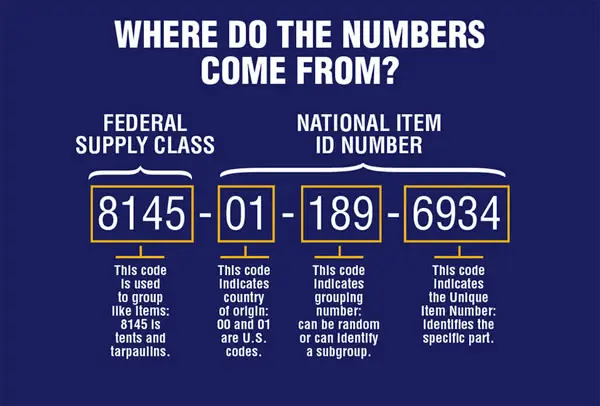
1. Maintain accurate NSN-linked parts registers
Comprehensive, current parts registers cross-referenced to NSN data enable accurate RFQ generation and supplier verification, reducing lead times and specification errors. Many legacy fleet failures during sustainment programs trace back not to parts unavailability but to inaccurate or outdated parts identification — submitting incorrect part numbers that delay the sourcing process unnecessarily.
2. Qualify alternative sourcing channels in advance
Reliance on a single OEM channel for discontinued components creates critical single points of failure. Pre-qualifying aftermarket and surplus suppliers for high-criticality components — before the operational need arises — reduces supply chain risk and enables faster response when urgent requirements emerge.
3. Require traceable, compliant documentation
Defense procurement compliance frameworks require documentation traceability. Suppliers unable to provide certificates of conformance, material test reports, country-of-origin documentation, or end-use certificates introduce compliance exposure for both the procuring ministry and the supplier. Establishing documentation requirements at the RFQ stage prevents delays at delivery and acceptance.
4. Plan for long lead time items
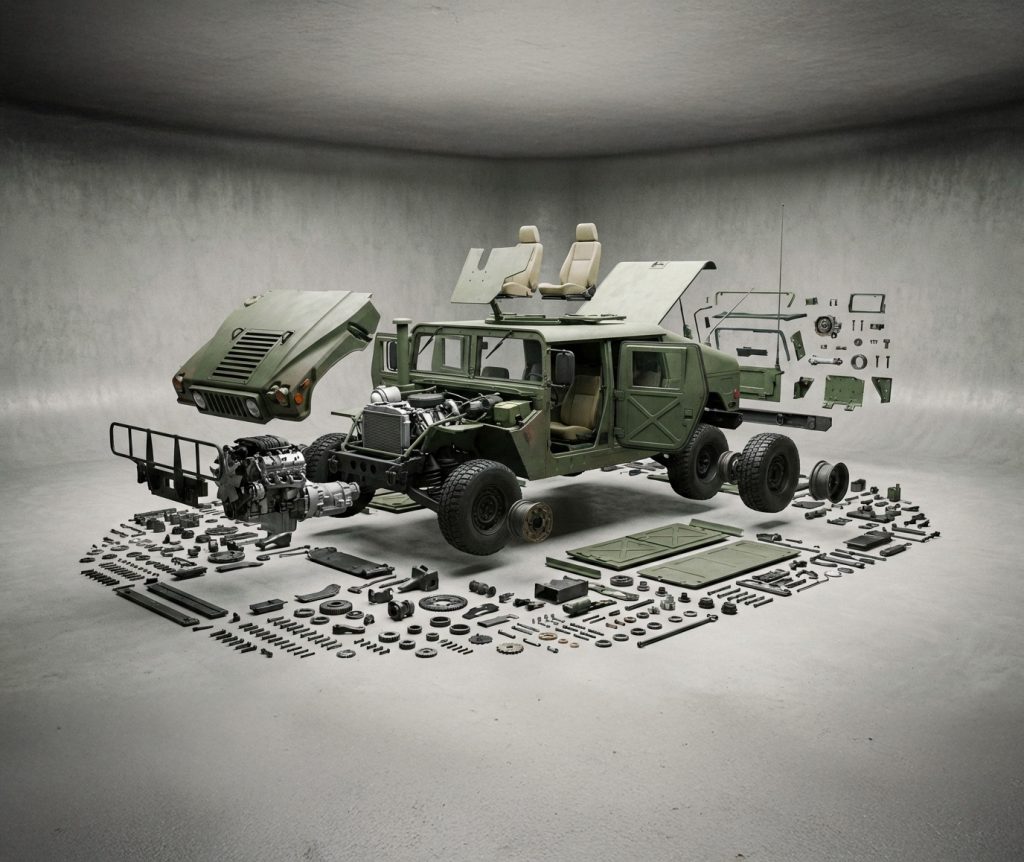
5. Work with platform specialists, not generalists
Defense spare parts sourcing for legacy military vehicles requires platform-specific knowledge that general industrial distributors cannot provide. Suppliers with a documented sourcing track record across specific vehicle families — and the technical knowledge to identify compatible alternatives when original specifications are unavailable — reduce specification errors and sourcing failures significantly compared to generalist procurement channels.
Conclusion
Legacy military vehicles are not a problem to be solved by eventual replacement. They are a permanent feature of the global defense landscape, maintained by economic constraints, strategic continuity, and the demonstrated durability of well-engineered military platforms. For the armies that operate them and the procurement professionals who support them, effective fleet sustainment is as operationally critical as any new capability acquisition.
The spare parts supply chain is the foundation of that sustainment. Access to verified, compliant, and traceable components — across OEM, aftermarket, and refurbished sourcing channels — determines whether a legacy fleet remains operational or degrades into a readiness liability.
AB Defence specializes in the sourcing and supply of spare parts for military vehicles and defense platforms, with active sourcing capability across the M60 series, Leopard 1 and 2, M113, ACV-300/350, M88 HERCULES, M107/M110 self-propelled artillery, MAN F-series trucks, Unimog military variants, and a broad range of NATO and partner-nation ground platforms. Our procurement team operates across OEM surplus, qualified aftermarket, and refurbished assembly channels, with full documentation support for defense procurement compliance requirements.
For platform-specific parts inquiries or procurement support, contact AB Defence through the request form on our product pages or visit absdefence.com.
Related Military Spare Parts Categories, Vehicle Platforms & Technical Guides
Explore AB Defence’s NATO-codified (NSN) and genuine OEM spare parts catalog, platform technical specifications, and sustainment engineering guides related to this article:
Stocked Spare Parts Categories (NSN & OEM Catalog)
- NATO Standard Defence Components & Military Hardware (12,993 stocked parts)
- M60 Tank Spare Parts (M60A1 / M60A3 / M60T) (497 stocked parts)
- M109 Self-Propelled Howitzer Spare Parts (585 stocked parts)
- BMC Kirpi MRAP Spare Parts (Kirpi I & Kirpi II) (597 stocked parts)
- Mercedes-Benz Unimog Military Spare Parts (562 stocked parts)
- Full NATO NSN & OEM Spare Parts Catalog (16,760+ Parts)
Compatible Vehicle Platforms & System Hubs
- Platforms
- Product Groups
- Quality
- Capabilities
- Tracked Armoured Vehicles
- Request a B2B Quotation (RFQ) & Technical Support